
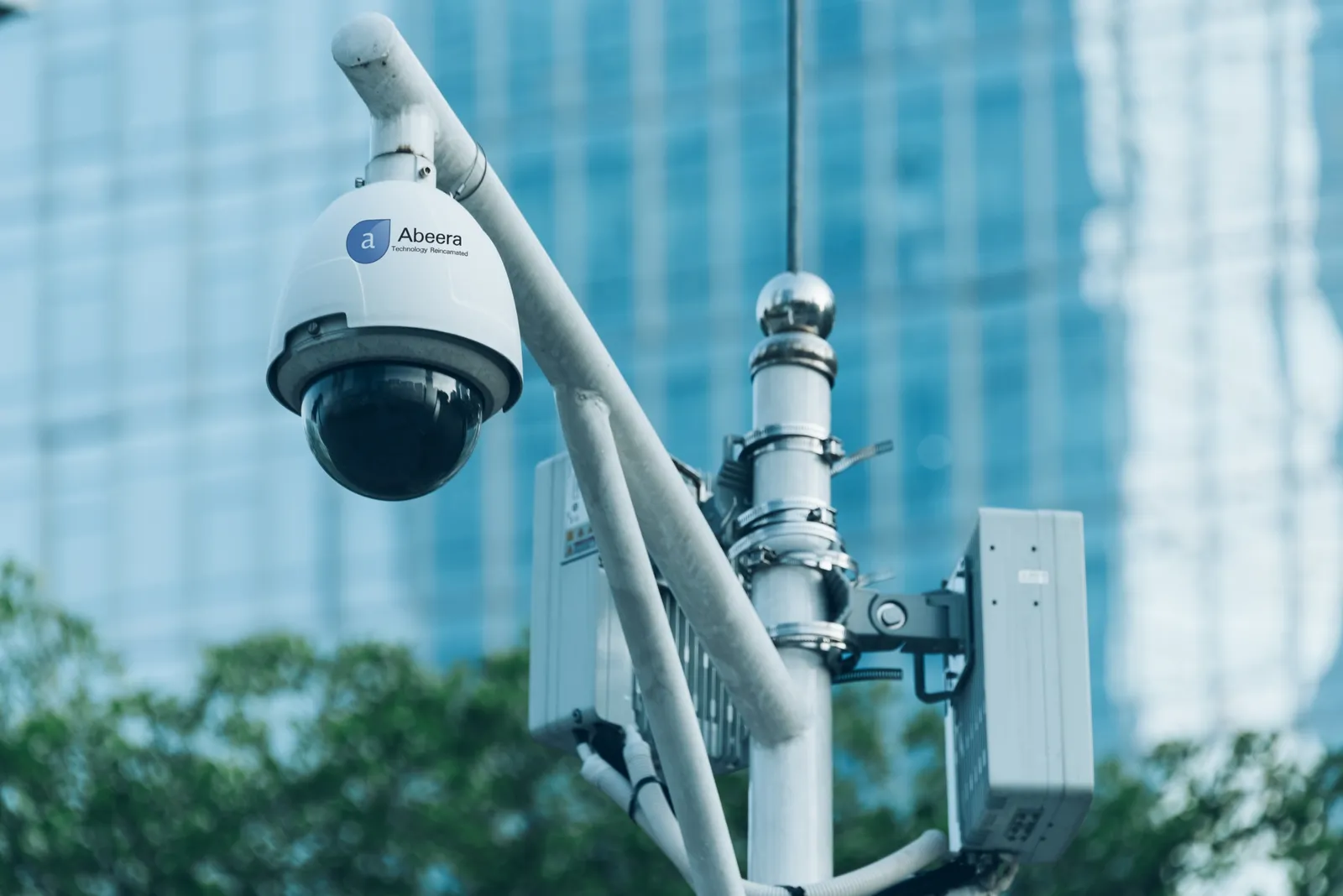
An unexpected security cost can throw your business budget into disarray. A bad investment in CCTV can make things worse.
Choosing a CCTV system for a business is more than just buying cameras. It’s about protecting stock, staff and premises while controlling the costs of installation and ongoing use.
Understanding the cost of commercial CCTV installation allows you to budget accurately, steer clear of unexpected costs and invest in security that fits your business needs. If you are planning a new commercial CCTV installation or upgrading your wider commercial security, this guide explains what influences the price and how to compare quotations with confidence.
How Much Does it Cost to Install CCTV Commercially in the UK?
There is no set cost to install CCTV. The cost will depend on how many cameras you require, what specification they are, the type of recording device, storage, wiring, labour and access to your site. A small office will have very different requirements to a warehouse with multiple entries and outside areas, so we would recommend having a survey done on your property and getting a detailed quotation.
Costs Breakdown
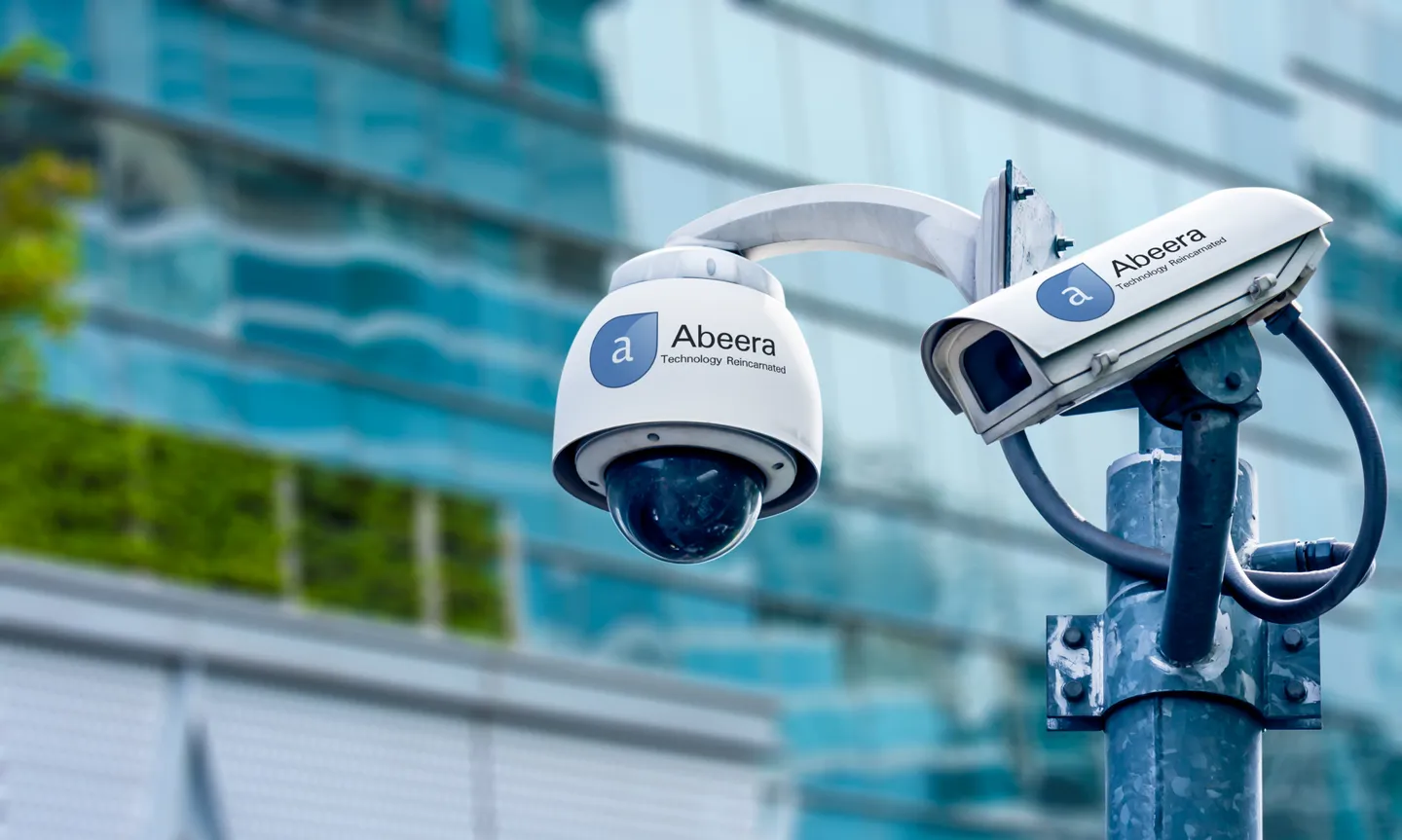
Cameras: Bullet & Dome cameras. Smart wireless cameras and wired HD/4K cameras. Prices depend on what resolution and what features you want. 4K cameras offer higher detail for identifying people or number plates; however, they come at a higher cost.
Recorder: An NVR (Network Video Recorder) is needed for IP cameras or a DVR (Digital Video Recorder) for analogue.
Storage: Recording locally will not incur any cloud costs. However, you require enough storage space. Usually, if you opt for a cloud storage option, there will be a recurring fee.
Cabling & labour: Long runs of cable, difficult access, and complicated setups can cause longer installation times.
What Affects Commercial CCTV Installation Costs?
- Number of cameras: More cameras usually cost more, but good positioning improves coverage without waste.
- Resolution and features: Night vision and motion detection add to the price, though they can be essential in some areas.
- Wired or wireless: Wired systems are stable but need more cabling. Wireless avoids cable runs but still needs power and a strong signal.
- IP or analogue: IP cameras are easier to expand, while compatible analogue equipment may reduce upgrade costs.
- Retention: Longer retention and higher resolution need more storage.
- Site access: High ceilings, multiple buildings and out-of-hours work add time. If you need CCTV installation in London, ask how access and parking affect the quote.
What Should a CCTV Installation Quote Include?
A full quote should cover a property survey and camera-position plan, cameras, recorder, cabling, mounting hardware, labour, system configuration, app setup, playback tests and a live view demonstration. Ask about exclusions too, such as access equipment, extra storage, cloud subscriptions, and maintenance packages. Using a vetted installer helps avoid surprises.
DIY vs Professional CCTV Installation
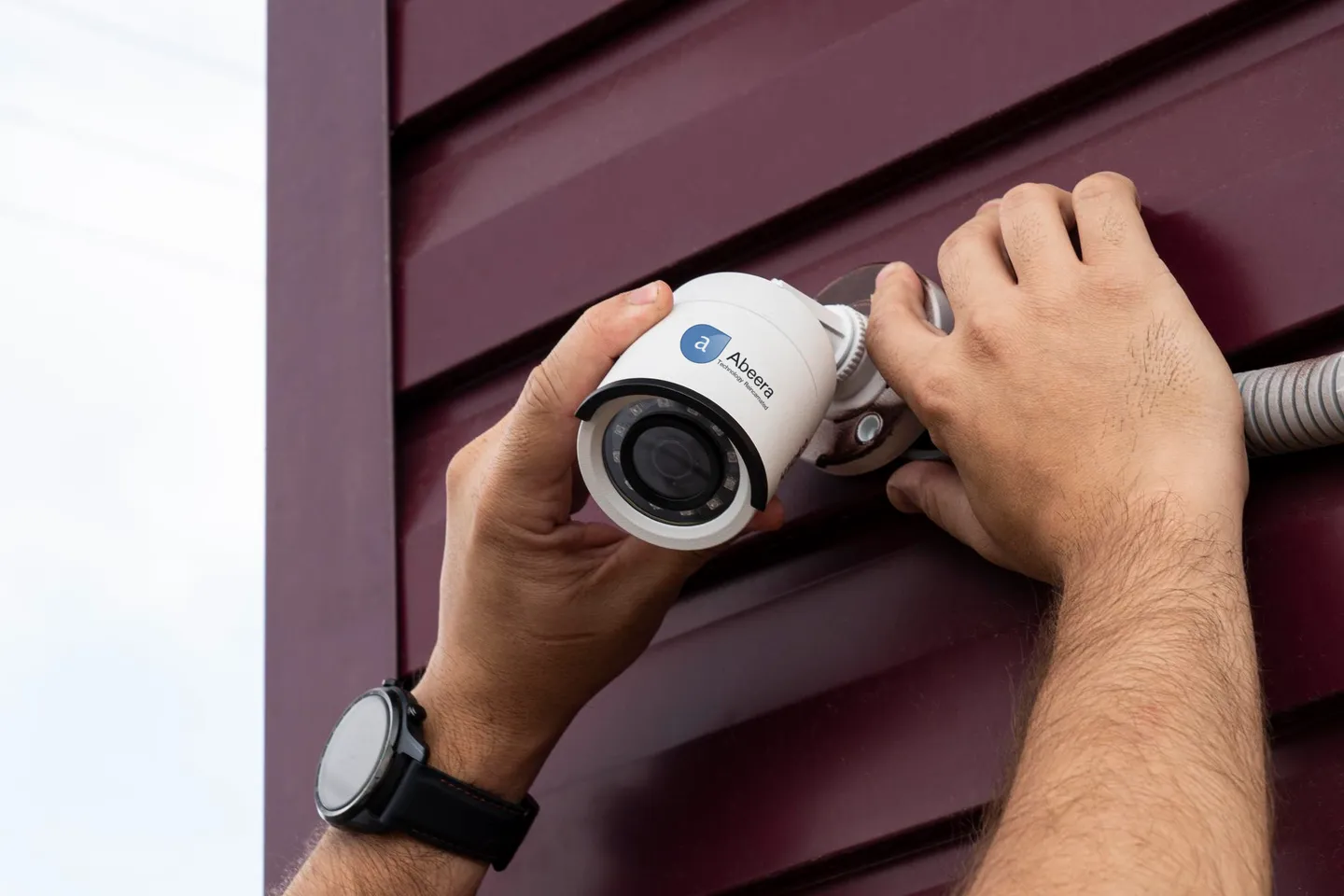
DIY can save on labour, but the savings may be smaller than you expect:
- Camera positions: Poor placement can leave blind spots.
- Wi-Fi and wireless systems: Weak signals can interrupt recording.
- Battery upkeep: Battery cameras need regular charging or replacement.
- Proper setup: Incorrect configuration can leave gaps in footage.
- Compliance: Signage and data protection rules still apply, especially if cameras capture public areas.
A professional installer can plan cable routes, set up recording, and test the footage, which matters most for larger sites or businesses that need dependable evidence.
Choosing the Right System for Your Budget
Begin by considering what needs to be covered in each area and create a specification. Once you have a property survey and plan of camera positions, you will know where best to place cameras and areas that may be missed. Ensure that your system includes the correct configuration, app setup, live viewing, and playback. If you choose a smart CCTV system, you can also include alert notifications and remote access, but make sure you only pay for features that you will actually use.
Hidden and Ongoing CCTV Costs
Commercial CCTV installation costs can continue after the initial setup. Understanding these ongoing expenses helps businesses plan their security budget and avoid unexpected costs.
- Cloud storage: Monthly fees can add up if you choose cloud recording.
- Annual servicing and maintenance: Lens cleaning and recording checks. Ask whether a maintenance package is included.
- Repairs and troubleshooting: Cameras, cables, or hard drives may need replacing, and this isn’t always covered.
- Professional monitoring: Optional, and usually a recurring fee.
- Upgrades and add-ons: Extra cameras or storage as your business grows.
System lifespan varies with equipment quality, environment, and upkeep, so ask your installer what to expect.
How to Save Money on Commercial CCTV
- Prioritise the front door, entrances and rear access.
- Use a survey to avoid cameras that won’t help.
- Use high-resolution cameras only where identification matters.
- Choose a recorder with spare channels.
- Compare itemised quotes, not just headline prices.
- Ask your insurer whether it has security requirements.
Get a Commercial CCTV Installation Quote from Abeera
Choosing on price alone can lead to unexpected costs. Abeera provides commercial CCTV installation for businesses in London and the South East, alongside intruder alarms, access control and gates. To discuss your premises, contact Abeera for a quotation.